

From Overuse to Injury: Understanding the Root Causes of Hip Pain
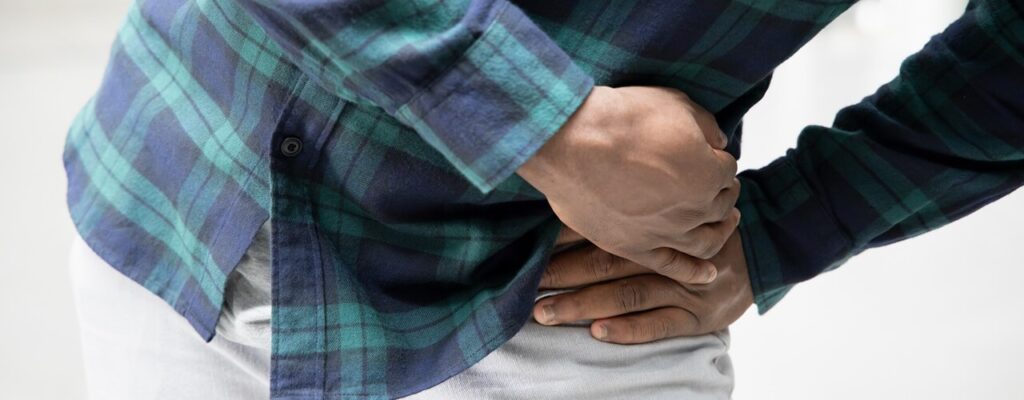
Do you often find yourself wincing with discomfort every time you take a step or attempt to sit down? Hip pain can be a pervasive issue, affecting individuals of all ages. Whether you’re dealing with overuse injuries or other hip pain causes, the discomfort and pain can significantly impact your daily life.
If you’re ready to break free from the clutches of hip pain and regain control of your mobility, physical therapy could be the key to your relief. At our South Ogden, UT clinic, we specialize in addressing the root causes of hip pain and tailoring personalized treatment plans to suit your unique needs. Don’t let hip pain hold you back any longer—call us today to embark on your journey toward a pain-free and active lifestyle.
Understanding Hip Pain and Exploring its Causes
Hip pain can manifest in various ways, from a dull ache to sharp, stabbing discomfort. To decipher the complexities of hip pain, let’s explore common symptoms and the potential factors contributing to its onset.
Signs and Symptoms:
- Persistent discomfort in the hip joint
- Limited range of motion
- Difficulty walking or standing for extended periods
Common Causes:
Overuse and Repetitive Strain:
- Engaging in activities that exert excessive pressure on the hip joint, such as prolonged sitting or intense physical exercise, can lead to overuse injuries.
Muscle Imbalances:
- Weakness or tightness in certain muscles around the hip can disrupt the joint’s stability and contribute to pain.
Osteoarthritis:
- The degeneration of joint cartilage can cause hip pain, particularly in older adults.
Just to name a few hip pain causes, however, there are a dozen of different factors that can contribute to hip pain, as illustrated in this article from the National Library of Medicine.
Our team of physical therapists at Bridge Physical Therapy are well versed in the many factors that can cause hip pain. No matter the cause of your pain, our team will craft a personalized approach to help you get back to your life in no time!
How Physical Therapy Can Help Alleviate Hip Pain Causes
When it comes to addressing hip pain, physical therapy interventions are designed to provide comprehensive relief.
During your initial consultation, our experienced physical therapists will assess your condition, considering factors such as medical history, lifestyle, and specific pain triggers. Based on this evaluation, we create a personalized treatment plan to address the root causes of your hip pain.
Treatment Methods We May Utilize
Therapeutic Exercises:
- Targeted exercises strengthen and stretch the muscles surrounding the hip joint, promoting better stability and function.
Manual Therapy:
- Hands-on techniques, such as joint mobilization and soft tissue manipulation, can enhance flexibility and alleviate muscle tightness.
Posture Correction:
- Improving posture is integral to managing hip pain, and our therapists will guide you on how to maintain optimal alignment in various daily activities.
Take Charge of Your Hip Health
Hip pain should not be a persistent obstacle preventing you from leading an active and fulfilling life. Understanding the root causes of hip pain is the first step toward effective treatment, and physical therapy offers a tailored approach to address your unique concerns.
At Bridge Physical Therapy in South Ogden, UT, we are dedicated to providing compassionate and expert care to help you overcome hip pain. Don’t let hip pain linger—take charge of your hip health today.
If you’re ready to explore effective treatments, expedited recovery, and gain a better understanding of hip pain causes, reach out to us. Call our clinic now to schedule your appointment and learn more about how physical therapy can be the key to your hip pain relief journey.