

ACL Injury Symptoms to Look Out For
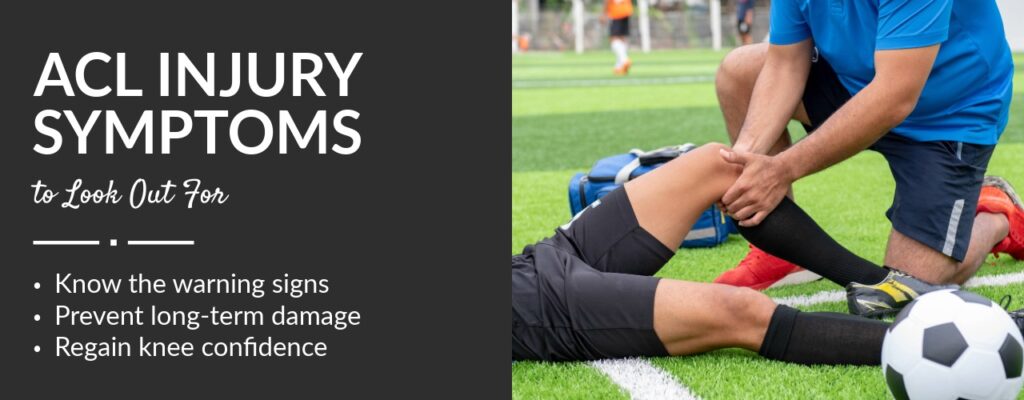
Knee health is essential for active people, whether they’re playing sports, working out, or simply moving through daily life. One of the most common and serious knee injuries involves the anterior cruciate ligament (ACL). Recognizing ACL injury symptoms early can make a significant difference in your recovery timeline, as early intervention with the Bridge Physical Therapy team can help you avoid long-term complications.
Understanding an ACL Injury
The ACL is a key ligament inside your knee joint that helps keep the joint stable, particularly during sudden stops, pivots, or changes in direction. ACL injuries occur when the ligament is either partially or fully torn. They’re most common during sports such as soccer, basketball, and skiing but can also result from non-sport-related accidents.
A damaged ACL compromises the knee’s stability, which can lead to further injury to surrounding tissues, including the meniscus or cartilage. Seeking timely treatment is crucial. Early diagnosis and physical therapy not only reduce pain but also help restore mobility, protect other knee structures, and prevent future complications.
Spotting an ACL Injury: What You Need To Know
ACL injury symptoms can vary based on the severity of the tear. For this reason, physical therapists and other providers categorize ACL injuries into three grades. Understanding these grades helps you know when to seek medical care and what to expect from treatment.
Grade 1: Mild Sprain
A Grade 1 injury means the ACL has been stretched, and microtears have developed in the tissue. Symptoms may be mild, but should not be ignored:
- Slight tenderness or discomfort in the knee
- Mild swelling within the first 24 hours
- A feeling of instability when performing quick movements
A mild ACL tear can often be treated with physical therapy alone. We’ll help you strengthen the muscles around the knee to restore function and prevent further injury.
Grade 2: Partial Tear
In a Grade 2 injury, the ligament fibers are partially torn, causing greater instability. You may experience:
- Moderate swelling and stiffness
- A feeling of the knee giving way during activity
- Pain when trying to pivot, twist, or bear weight
At this point, many athletes will opt for ACL repair surgery, as it gives them the best opportunity to continue playing their sport. However, non-athletes may be able to achieve favorable outcomes with physical therapy, delaying or even eliminating their need for surgery.
Grade 3: Complete Tear
A Grade 3 injury means the ACL is completely torn. This level of injury often comes with more dramatic ACL injury symptoms, such as:
- A loud popping sound at the time of injury
- Immediate, significant swelling
- Severe pain and inability to bear weight
- A pronounced feeling of knee instability or collapse
In most cases, this level of injury requires a combination of surgical repair and extensive physical therapy to regain function.
How Physical Therapy Addresses ACL Injury Symptoms
No matter the grade of injury, physical therapy is a cornerstone of addressing an ACL tear, even if you opt for surgery. Our team can:
- Reduce swelling and pain
- Improve range of motion
- Strengthen surrounding muscles for better joint stability
- Support a safe return to daily activities or sports
We customize all of our programs to meet your needs, ensuring the safest and most effective path to recovery.
Take Action Now for Better Knee Health
If you’re experiencing any of the symptoms above, don’t wait to seek care. Early intervention can make a big difference in your long-term recovery and prevent future complications.
Contact Bridge Physical Therapy today to schedule an evaluation with our team. We’re here to help you regain strength, stability, and confidence in your knee.